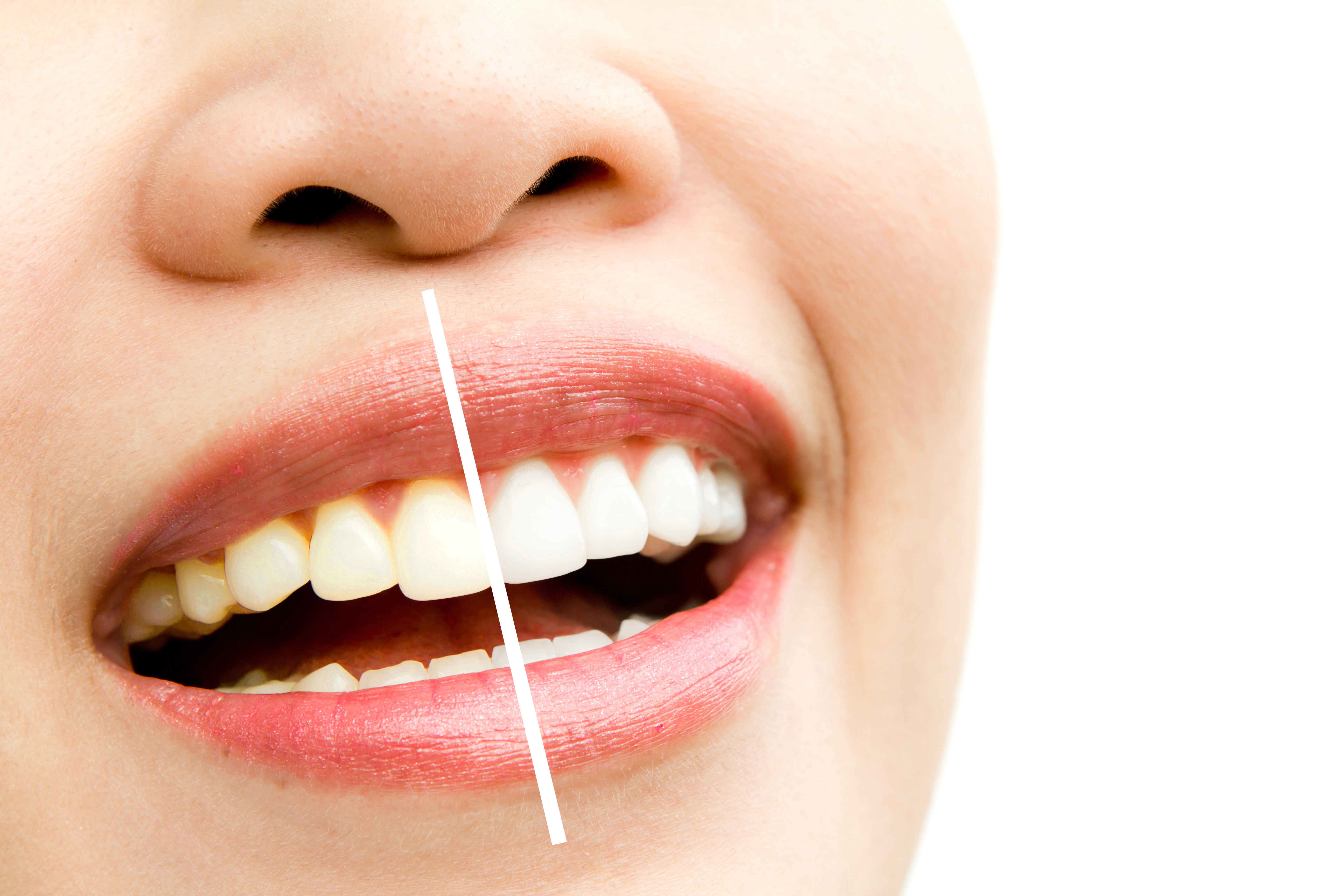
A lot of patients describe the same moment: you look in the mirror and your teeth seem… yellower than you expected. Sometimes it’s stain. Sometimes it’s lighting. Sometimes your enamel is thinner than it used to be, which lets the natural yellow tone underneath show through more. Before you jump into whitening, it helps to figure out what kind of “yellow” you’re actually seeing—because that determines what will work.
At-home whitening can be useful when the goal is a small, gradual improvement. Strips and OTC gels can lift surface stain if you’re consistent and your teeth aren’t overly sensitive. Where people run into trouble is overuse (trying to speed things up) or using abrasive “hacks” they saw online. Those shortcuts can roughen enamel and increase sensitivity—ironically making teeth look more yellow over time.
Professional whitening is usually the better choice when you want a noticeable change without guessing. A dentist can protect your gums, tailor the strength to your comfort level, and help you avoid the “spotty” results that can happen with store-bought trays. Cottonful Dental talks about the difference between everyday yellowing and true discoloration—and when cosmetic options make sense—in their post My Teeth Look Yellow in the Mirror. Is That Normal?.
It’s also smart to remember what whitening can’t do: it won’t change crowns, veneers, or tooth-colored fillings. So if you have dental work on visible teeth, whitening may brighten everything around it and make that one tooth stand out. In those cases, you might whiten first and then look at a small cosmetic update. For example, Teeth Bonding can mask stubborn discoloration on a single tooth, and veneers can address deeper staining that whitening simply won’t lift.
If you’re someone who wants a more refined change—not just “whiter,” but more balanced and polished—Cottonful also offers a conservative veneer approach with MINISH Veneers, which can be a fit for patients whose main concern is deeper discoloration, uneven edges, or a combination of cosmetic issues.
No matter which whitening route you choose, your results will last longer if your foundation is solid. That means keeping up with professional cleanings and prevention, using a soft brush, and avoiding constant sipping on staining drinks. If it’s been a while since your last visit, starting with a cleaning is often the quickest way to make your smile look brighter before whitening even enters the conversation—Cottonful’s Dental Cleanings & Preventive Care page lays out what those visits cover.
If you’re deciding between a home kit and professional whitening, the simplest rule is this: home whitening is for “a little brighter,” professional whitening is for “I want a real change.” Either way, a quick exam can help you choose the method that gets you the result you’re picturing—without sensitivity, gum irritation, or wasted products.